
Perceived Value: The Hidden Driver of Your Pricing Strategy
12/22/2025 - Pricing strategy
In today's competitive e-commerce landscape, most pricing strategies focus on two variables: internal costs and competitor prices. However, there's a third, often-underestimated factor that holds immense power over a customer's purchasing decision and your bottom line: perceived value. Ignoring it is like flying blind, constantly reacting to market shifts instead of anticipating them. The good news is that what was once pure intuition is now a set of measurable, actionable data, all thanks to technology.
What is Perceived Value and Why is It Crucial in E-commerce?
Perceived value is a consumer's subjective assessment of a product or service's worth, weighing the expected benefits against the sacrifice of acquiring it (the price). It’s not about the actual production cost, but about the perception that exists in the customer's mind. This perception is a complex mix of tangible and intangible factors.
We’re talking about the quality of materials, yes, but also brand reputation, the user experience on your website, the quality of after-sales service, shipping speed, and even the packaging presentation. In essence, perceived value is the answer to the customer's question: "Is what I'm getting worth the price?". Today, with 81.3% of consumers researching products online before buying, that perception is built primarily in the digital space. In fact, a 2024 PowerReviews survey found that nearly 100% of consumers consult online reviews. Therefore, optimizing how you present your products and define your buyer personas to align your offerings with their expectations is more critical than ever.
From Intuition to Data: How to Measure Perceived Value
The biggest challenge for retailers has always been the same: how to move from an intuitive guess about what customers value to an objective, scalable measurement. Traditional methods are no longer sufficient for the complexity of modern e-commerce.
Traditional Methods and Their Limitations
Historically, companies have relied on satisfaction surveys, focus groups, or manual analysis of product reviews to try and decipher perceived value. While these methods provide valuable qualitative insights, they present three fundamental problems in an enterprise environment:
- They aren’t scalable: It's unfeasible to conduct focus groups for every single one of the thousands of SKUs in a catalog.
- They are slow: The time it takes to collect and analyze the data means that by the time you have conclusions, the market has already changed.
- They are costly: They require a significant investment of time and resources that doesn't always translate into a clear return.
The Role of AI in Quantifying Value
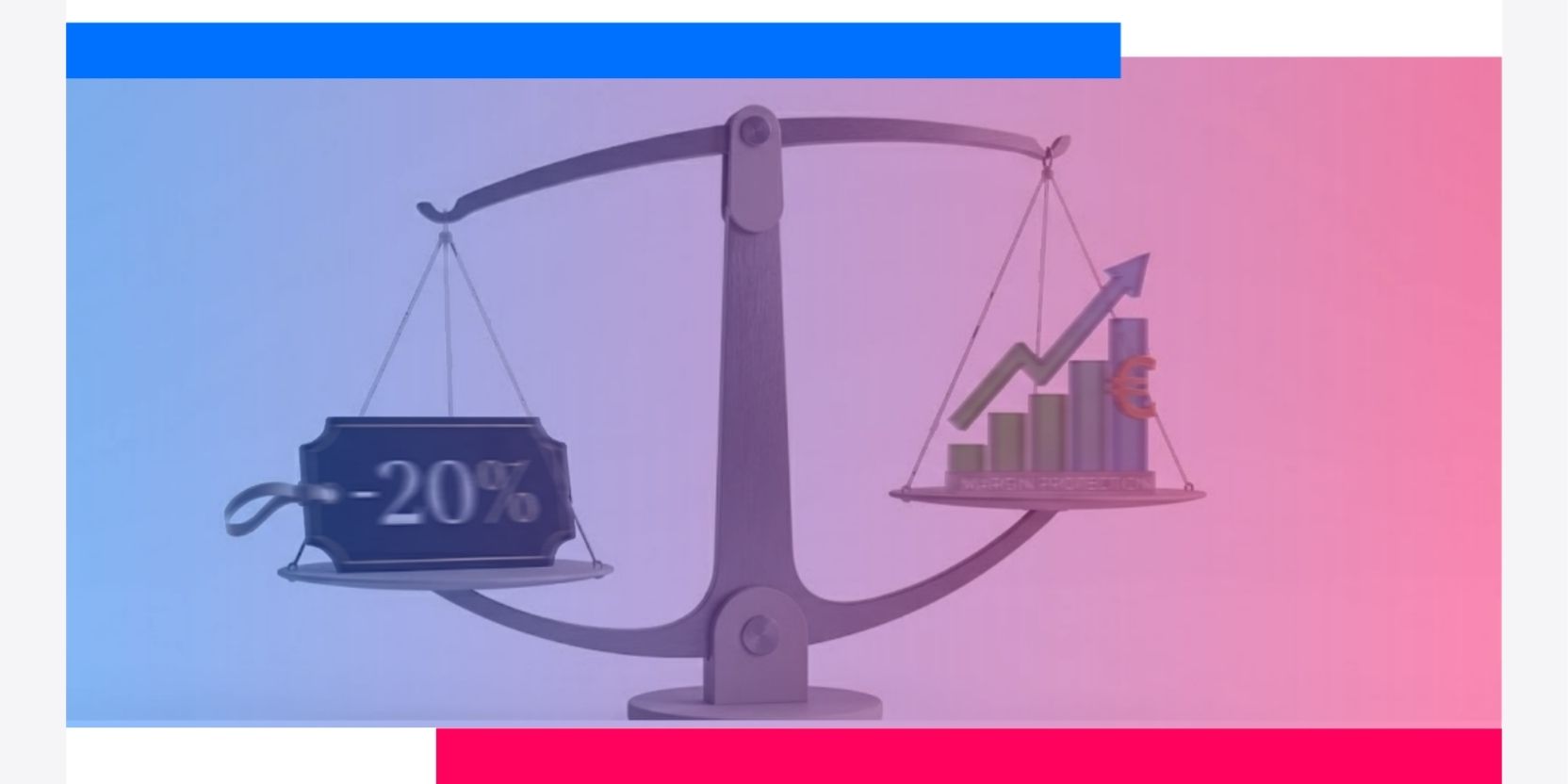
This is where artificial intelligence completely changes the game. AI-powered price optimization allows for the analysis of thousands of variables in real time to quantify the perceived value of each product for different customer segments. Instead of asking customers, the technology observes their actual behavior: conversion rates at different price points, demand elasticity, navigation paths, products added to and abandoned from carts, competitor stock levels, and much more.
"Pricing has evolved from an art based on intuition into a data science. Understanding and quantifying perceived value at scale is the only way to protect margins and lead the market, rather than simply following it."
- Antonio Tomás, CEO at Minderest & Reactev.
Imagine an electronics retailer selling a premium laptop. Traditionally, if sales are low, the knee-jerk reaction would be to lower the price to match a competitor. However, an advanced price management tool might detect that potential customers are spending a lot of time on the page but not converting. By cross-referencing data, the AI could identify that the product images are low-quality and that there are no demo videos, which competitors do offer. The problem isn't the price; it's low perceived value due to poor presentation. The solution isn't to sacrifice margin, but to improve the content—a far more profitable action.
Value-Based Pricing Strategies to Maximize Your Profitability
Once you can measure perceived value, you can start acting on it strategically. A value-based pricing strategy aims to align a product's price with the value it provides to the customer, rather than basing it solely on costs or the competition.
Value-Added Pricing
If your product offers unique features, superior quality, or an exceptional customer experience, you have justification to set a price above the market average. The key is to effectively communicate that added value at every customer touchpoint so that perception aligns with the price.
Psychological Pricing and Price Anchoring
This technique uses consumer psychology to influence the perception of value. Strategies like prices ending in .99, offering different versions of a product (basic, standard, premium) to create a price "anchor," or highlighting discounts from a higher original price are effective tactics to increase perceived value without altering the product itself.
Dynamic Pricing Beyond the Competition
The true potential is unlocked when you combine perceived value with dynamic pricing. Most tools are limited to reacting to competitor prices, which often leads to a price war that erodes margins across the entire industry. An advanced approach, like the one enabled by Reactev's technology, uses price sensitivity and demand elasticity as its guide.
For example, if you have an exclusive product with high demand and low stock across the market, a reactive strategy might keep the price low. However, an intelligent system will detect that the perceived value is very high and recommend a price increase to maximize margin, knowing that demand will remain stable.
Discover how our Dynamic Pricing solution can help you integrate perceived value into your pricing strategy at scale.
How is a product's perceived value measured?
A product's perceived value is measured by analyzing consumer behavior rather than asking them directly. Artificial intelligence quantifies this value by analyzing variables such as conversion rates at different prices, demand elasticity, web traffic, time on page, and attribute comparisons with competing products.
Frequently Asked Questions (FAQs) on How Perceived Value Affects Your Pricing Strategy
Is price the only factor in perceived value?
No. Price is what the customer pays, but perceived value includes all the benefits they expect to receive: product quality, brand reputation, shopping experience, customer service, and convenience. A customer is often willing to pay more if they perceive superior value in these other areas.
Is it possible to apply a value-based pricing strategy to a catalog of thousands of products?
Manually, it's virtually impossible, but with the right technology, yes. AI-based price optimization platforms are designed precisely to analyze extensive catalogs, segment customers, and calculate perceived value and demand elasticity for thousands of SKUs automatically and continuously.
How does perceived value affect demand elasticity?
They are directly related. When a product has a high perceived value (e.g., a luxury brand or a product with unique features), demand tends to be more inelastic. This means consumers are less sensitive to price increases, allowing the company to have greater pricing power and better margins.
Does a value-based strategy always mean higher prices?
Not necessarily. It means setting the right price that reflects the value the product offers to a specific customer segment. For a basic product in a highly competitive market, the value may lie precisely in its affordability, which would justify a low price. For a premium product, it would justify a high price. It's about alignment, not just price hikes.
From Manual Reactions to Strategic Value Optimization
Moving beyond competing on price alone is the first step toward building a sustainable and profitable e-commerce business. Perceived value is the battlefield where customer loyalty and healthy margins are won. Understanding, measuring, and integrating it into your pricing strategy is no longer an option—it's a competitive necessity.
Artificial intelligence technology gives you the visibility and automation capabilities needed to shift from guesswork to data-driven decisions, transforming your pricing from a reactive tactic into a powerful strategic engine for growth.
Ready to stop reacting to the market and start leading it? Discover how our dynamic pricing technology can help you maximize your margins.
Category: Pricing strategy